
Body Composition Analysis
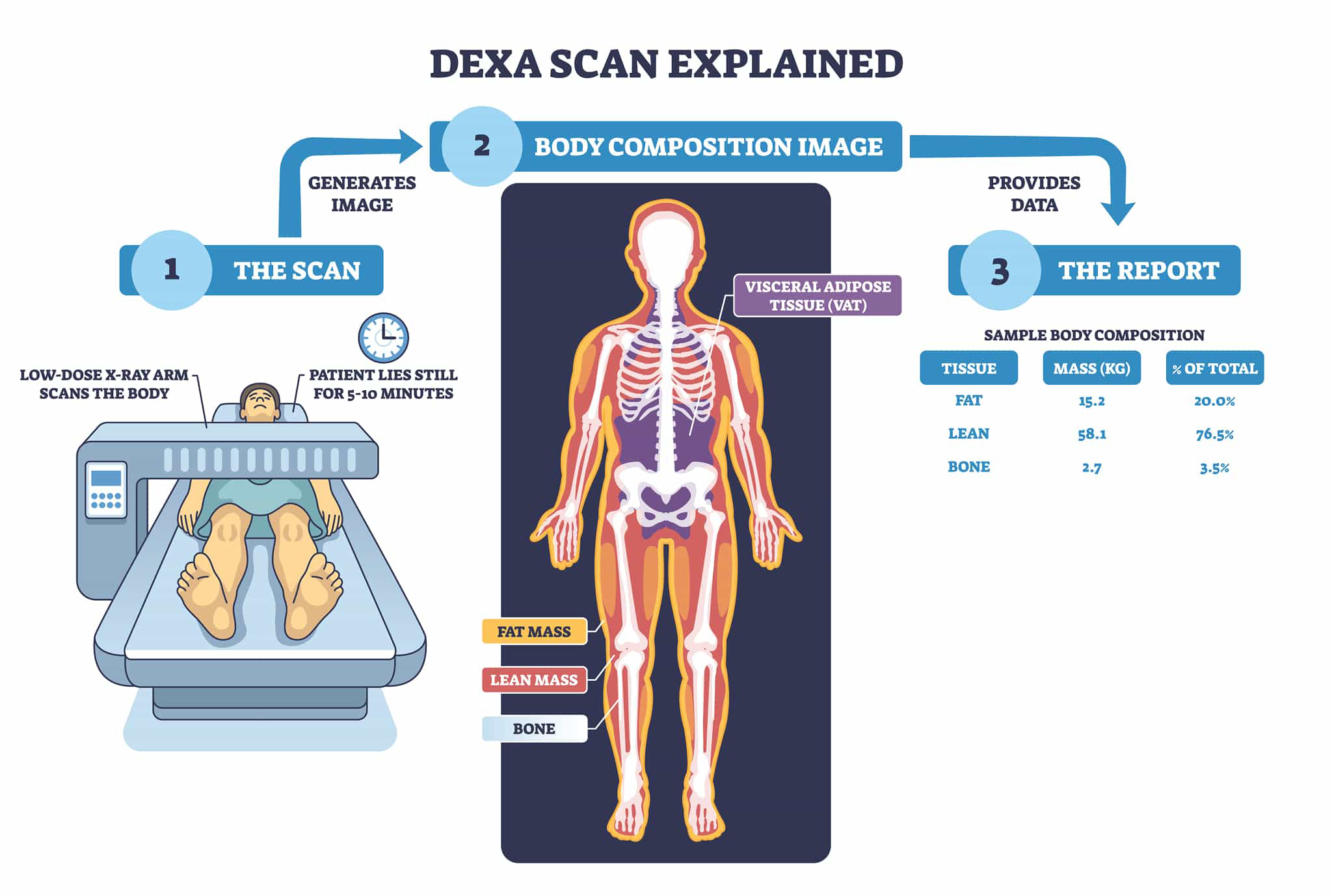
A DEXA scan for body composition is a precise and non-invasive imaging test used to measure body composition, including total body fat percentage and muscle mass.
Look Beyond the Bathroom Scale
With just a 5-minute scan, the assessment offers details about lean mass distribution and visceral fat. It is an effective tool for optimizing muscle-to-fat ratios, tracking muscle gain and body fat loss, and identifying potential risks of disease linked to high visceral fat, like diabetes or cardiovascular disease. Whether you want to boost your athletic performance or shed weight without losing muscle mass, a DEXA scan for body composition is one of the most accurate and reliable methods for measuring and tracking body composition over time.


How Does it Work?
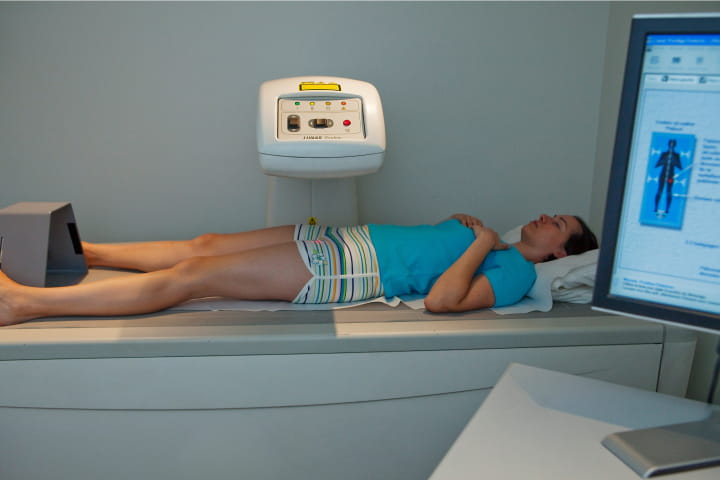
A DEXA scan for body composition is a quick, non-invasive Dual-Energy X-Ray Absorptiometry scan. You lie on a table while the scanner arm moves over your body using low-dose X-ray technology to provide in-depth analysis of fat and muscle by body region. It offers a significantly more accurate view of body composition than body fat scales or Body Mass Index (BMI).
What Does it Reveal?
Instead of just estimating body fat composition, KOC Imaging uses Lunar DXA systems to directly measure and calculate total fat, bone and lean tissue to map exactly where fat is distributed throughout the body. A body composition report will reveal a comprehensive view including how much of your total weight is lean mass and what percentage of your weight is fat.

Athletic Performance
Body composition tracking and analysis can be extremely beneficial for athletes, as even a small change in body composition can significantly affect performance. Monitoring can provide a baseline and valuable insight to adjust diet and training regimens to ensure that an athlete is eating effectively to prevent muscle loss. It's also important to assess lean muscle, which directly influences metabolism and strength. Estimates like BMI don't provide the same level of actionable data.
Obesity
Obesity is linked to increased risk of disorders like diabetes and cardiovascular disease. Evaluating distribution of excess
fat, particularly visceral adiposity within the abdominal region, is helpful to determine an individual's health risk.

Eating Disorders and Illnesses
Body composition assessments are important tools in evaluating and managing eating disorders, which can impact lean tissue. Physicians use DEXA scans for body composition to help evaluate disease severity, monitor changes in both lean and fat compartments, and measure the effectiveness of nutritional interventions.
Physicians also use body composition scans in the treatment of wasting syndrome, which is defined as weight less than 90 percent of ideal body weight. Scans can assess the extent of gender-specific muscle wasting and fat loss to monitor the effects of pharmacological and nutritional programs implemented to prevent or treat wasting syndrome.
Who is Eligible?
Knoxville Orthopaedic Clinic offers DEXA scans for body composition to the following individuals:
- Between 20-100 years old
- Females between 4’3”-6’1”
- Males between 4’11”-6’7”
- Females between 88-298 lbs.
- Males between 121-276 lbs.
DEXA scans for body composition use very low radiation but are not advisable during pregnancy.
What does it cost?
It costs $225 for a self-pay package including body composition scanning, report and provider review.

Where is it Available?
KOC University
1600 Accelerator Way • Suite 200
Knoxville, TN 37920